The question “Ol Pejeta: who can join rhino tracking” has a useful short answer: adults can join, children should not, and the experience is different from the northern white rhino enclosure visit. This practical checklist covers eligibility, cost, timing, clothing, and conservation value so you can book with confidence.
Ol Pejeta: Who Can Join Rhino Tracking
Adults can join Ol Pejeta’s Rhino Monitoring and Identification experience, which is a ranger-led, research-based activity rather than a standard game drive. Current published information describes it as a paid activity with its own per-adult fee, separate from general park entry, and says it is not suitable for children. Confirm eligibility at the time of booking because rules can change.
Run through these checks before you spend money:
- Confirm you are an adult. The official factsheet is clear that children should not join.
- Make a reservation. This activity is not offered as a walk-in add-on. Ol Pejeta’s reservations desk expects advance booking.
- Ask about the minimum group size. The ranger team leads a small group, and if too few names are listed, the session may not run.
- Check the name of the experience. Rhino Monitoring and Identification is not the same as the northern white rhino visit.
- Add the conservancy entry fee. It is separate from the activity price.
What Happens During Ol Pejeta Rhino Tracking?
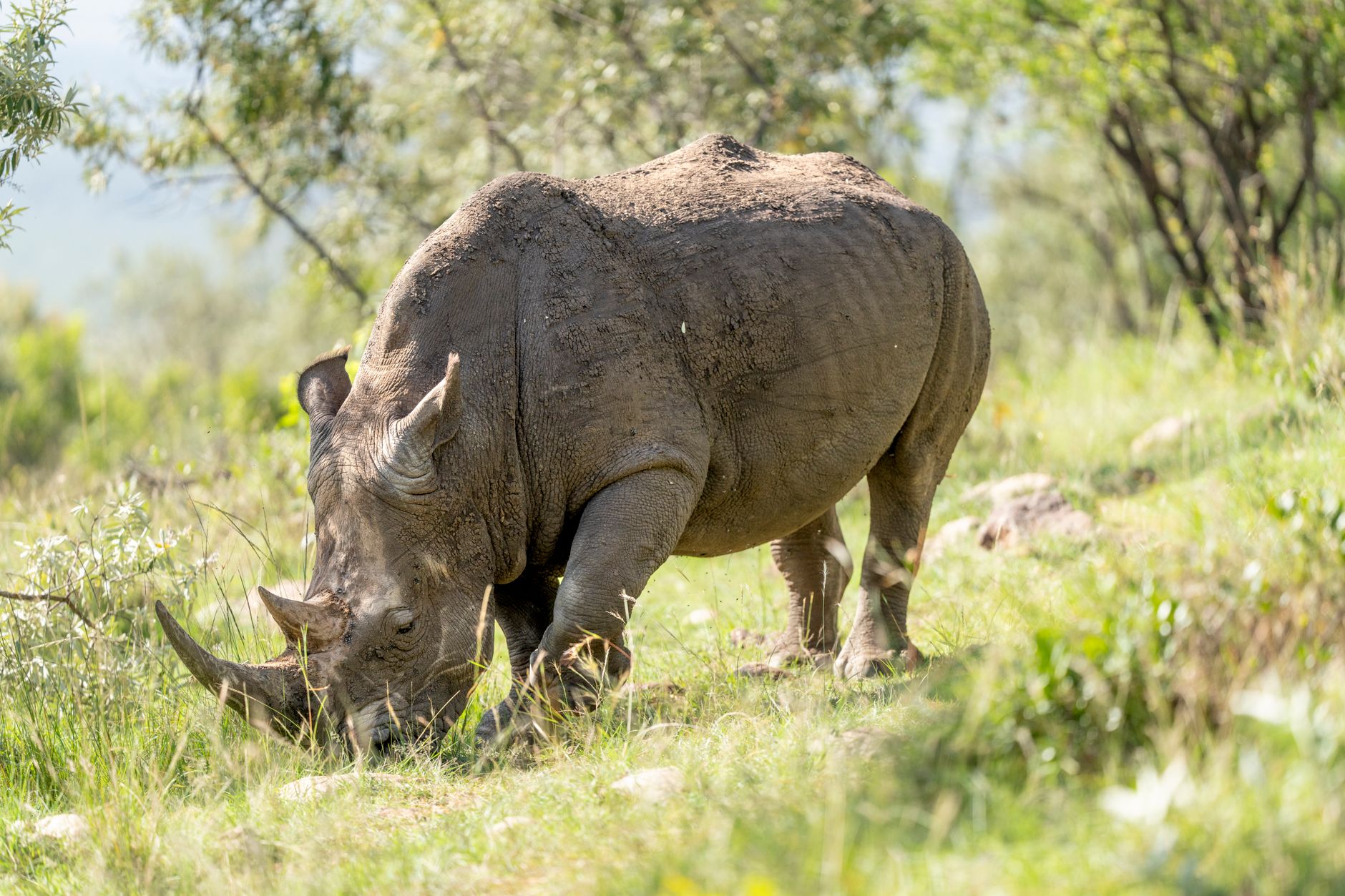
Participants accompany Ol Pejeta’s monitoring team to locate rhinos and help identify individuals by their unique ear notches. Rangers explain how they collect body condition, habitat, and activity data. This turns the outing into a practical conservation exercise, not just a photo stop.
A session usually follows this order:
- Introductions. You meet the rangers and receive a safety briefing.
- Locate. The team moves through known rhino areas and reads tracks and signs.
- Observe. Rangers identify the animal from its ear notches and note condition and behavior.
- Record. You see how the observational data becomes part of individual rhino files.
What Age Is Ol Pejeta Rhino Tracking Suitable For?
Current Ol Pejeta factsheets say Rhino Monitoring and Identification is not suitable for children, so families should not expect a child to join. The separate northern white rhino visit can have its own age policy, which may be stricter than the standard rhino tracking rule. Confirm both policies directly before booking, since guidance can change by season.
Family planning checklist:
- Ask for today’s age limits in writing. An old article is not enough.
- If children travel with you, ask about a standard game drive or another conservancy activity instead.
- Keep the child off the booking if the official answer says no. Rangers will not bend a published safety rule.
- Recheck the rule close to arrival. Policy statements can change.
For a broader look at planning your visit, read the Ol Pejeta Conservancy guide and check each activity’s age rules before you combine them with rhino monitoring.
How Much Does Rhino Tracking Cost at Ol Pejeta?
Ol Pejeta’s published rate for Rhino Monitoring and Identification has generally fallen in the range of USD 60 to 90 per adult. Treat this as an indicative range rather than a fixed number, since rates are reviewed periodically. General conservancy entry is billed separately, and everyone entering the conservancy must pay it. Ask for a written total when you reserve, and confirm the exact current figure directly with Ol Pejeta or your operator.
Build your budget in four steps:
- Request the current fee with the date of the tariff.
- Ask what the price includes. Vehicle use matters if you are not self-driving.
- Add general entry fees for each adult in your group.
- If you book through a tour operator, ask for each fee listed separately.
How Long Does Rhino Tracking Take?
Rhino tracking is scheduled in the cooler parts of the day. Current visitor information points to one session in the early morning and one in the mid to late afternoon, timed to avoid the hottest hours. Plan for two to three hours, depending on how quickly the team finds a rhino.
Morning starts are cooler, and animals tend to move more. Afternoon starts come with warmer dust, but they can work better for travellers arriving from Nanyuki or Nyeri. Include the drive to the meeting point and ask about minimum group size when you book.
What Should You Wear and Bring?
Wear closed walking shoes, neutral colors, and practical layers for thorn scrub and cool starts. Carry sun protection, water, and a hat. Follow the ranger’s instructions about staying with the group and keeping a respectful distance from rhinos.
Packing checklist:
- Closed walking shoes. Sandals are risky in thorn country.
- Neutral colors. Khaki, olive, and earth tones work best.
- Layers. The morning air is cool, then the sun warms up.
- Sun protection. A wide hat, sunscreen, and enough water are essential.
- A camera with a zoom lens. Binoculars help because you stay at a respectful distance.
Planning more walking on your safari? Read what shoes to pack for a Kenya safari before you leave home.
How Does Rhino Tracking Support Conservation?
The experience lets visitors see how Ol Pejeta’s patrol team gathers field data, including rhino identity, body condition, habitat, and activity. Ear-notch identification helps rangers recognize individual animals and monitor a threatened population while keeping the focus on protection and research.
Expect a respectful distance, not a close approach. The point is to understand the monitoring system that keeps Ol Pejeta’s rhino population safe. The same style of conservation tourism exists across the region. Start with Laikipia conservation experiences with rhinos to compare ranger-led options before you book.
How Is Rhino Tracking Different From the Northern White Rhino Visit?
Rhino tracking is a field-based monitoring activity. The northern white rhino experience is a controlled enclosure visit with keepers, not a conventional tracking safari. It is scheduled separately and may have its own minimum age, so treat them as two different bookings.
The distinction matters more than many travellers expect. If you ask simply for a rhino activity, you could end up at the northern white rhino enclosure, which has different rules and a different feel. If you want to learn how wild rhinos are monitored in open country, choose Rhino Monitoring and Identification. The two activities are rarely combined in one morning.
Your Next Step: Book Ol Pejeta Rhino Tracking with Confidence
Take these steps before you commit to a date.
- Contact Ol Pejeta directly, or ask your operator, for a written price that names the experience, the session time, and the conservancy entry fee.
- Confirm the current age policy for both Rhino Monitoring and Identification and the northern white rhino visit, since the two are separate.
- Compare safari operators and browse packages that include Ol Pejeta. FindMySafari, Valley Safaris, and Trunktrails Safaris all list Kenya itineraries with rhino experiences, so you can check current options side by side.
- Reach out through touringinsights.com if you would like help building the rest of your Laikipia itinerary around this activity.
More safari planning resources
- Kenya national parks map from SafariPure
- Ol Pejeta Conservancy guide from Trunktrails Safaris
- Ol Pejeta and Sweetwaters safari package from Valley Safaris
- Big Five safari collection on FindMySafari